Primitives



1 INMC, 2 IPAI, 3 Dept. of ECE, Seoul National University, Republic of Korea
{smhongok, jonghean12, 2012abcd, insoo_chung, sychun}@snu.ac.kr
* Co-first authors † Corresponding author
Accepted to CVPR 2026
pip install pydiffbmp is now available! See the PyPI.




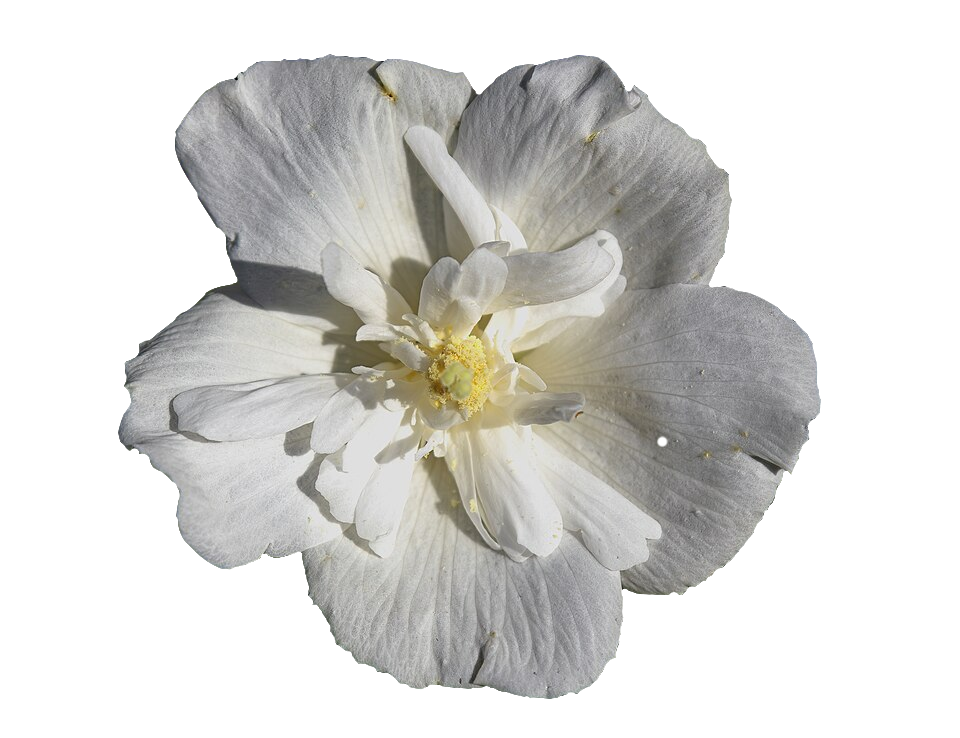

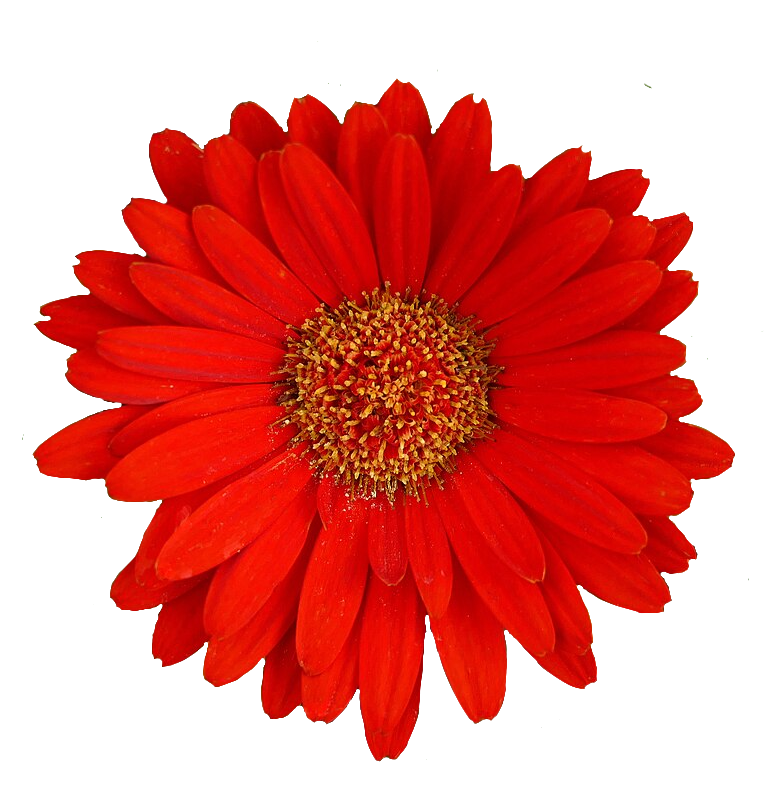




 Person Names
1000 items
Person Names
1000 items
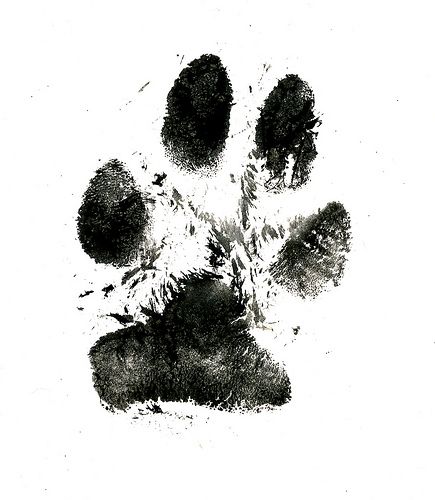








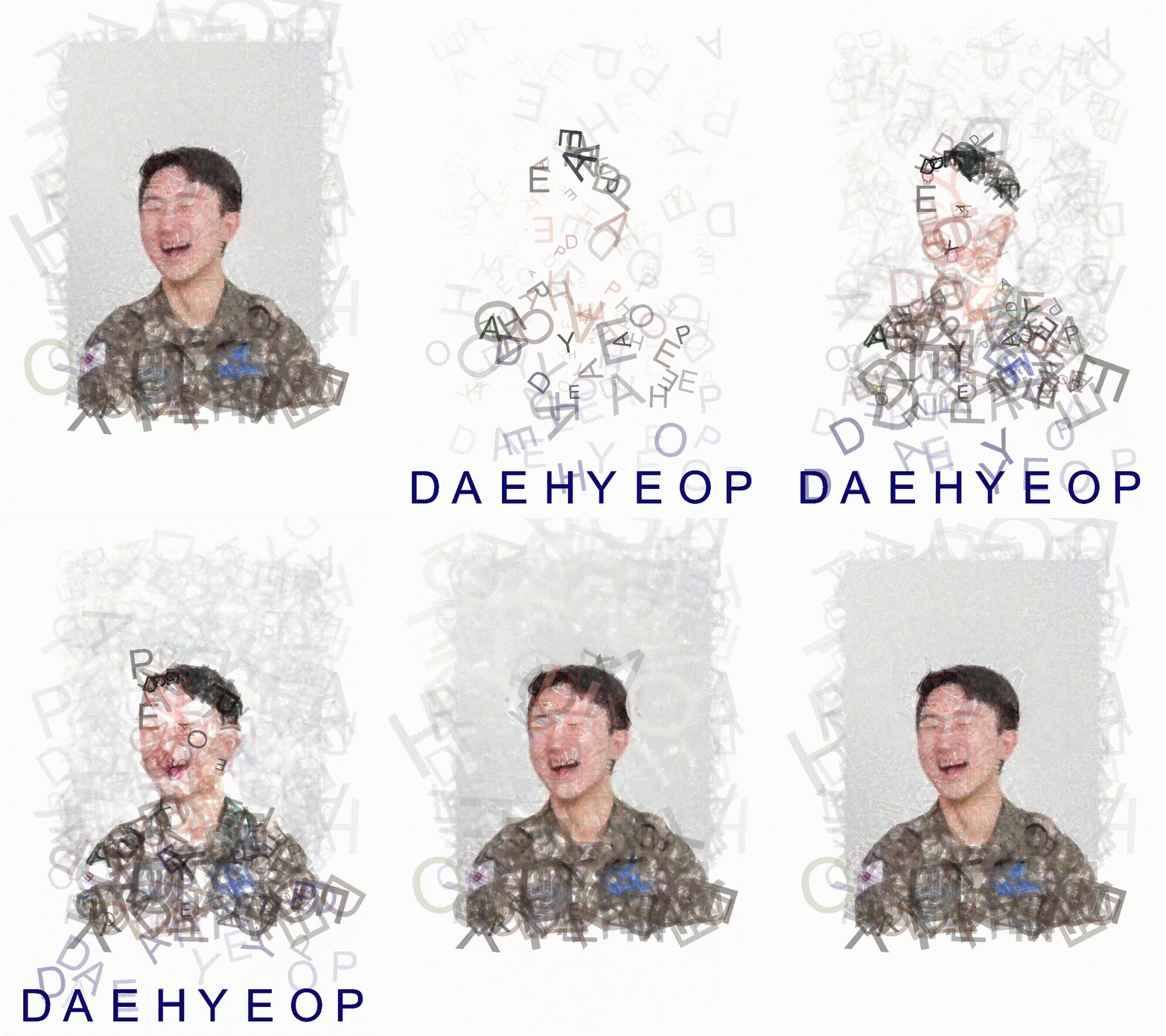


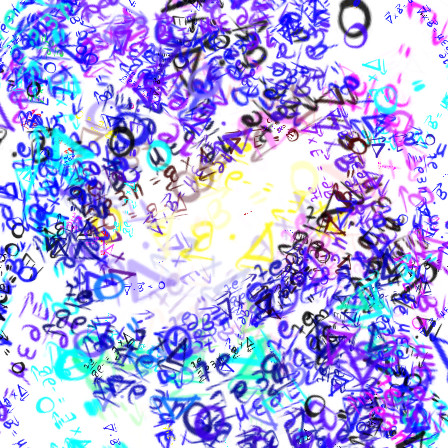
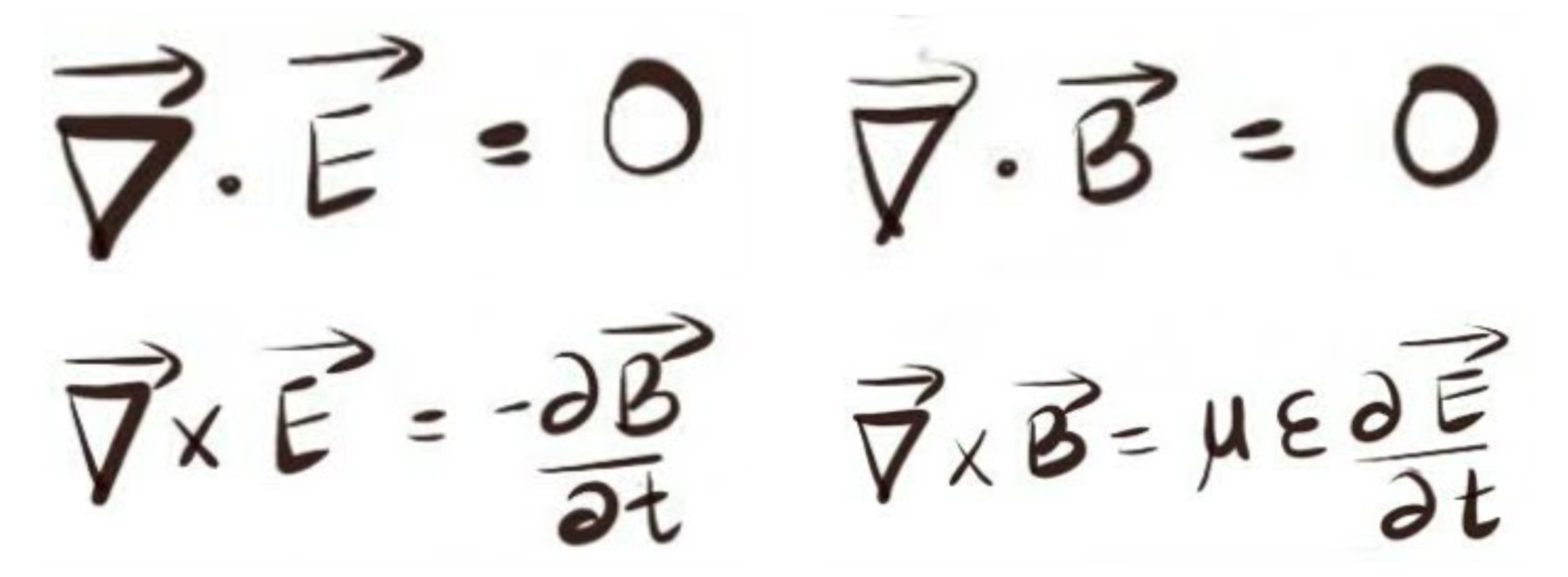



 Prompt : Galaxy
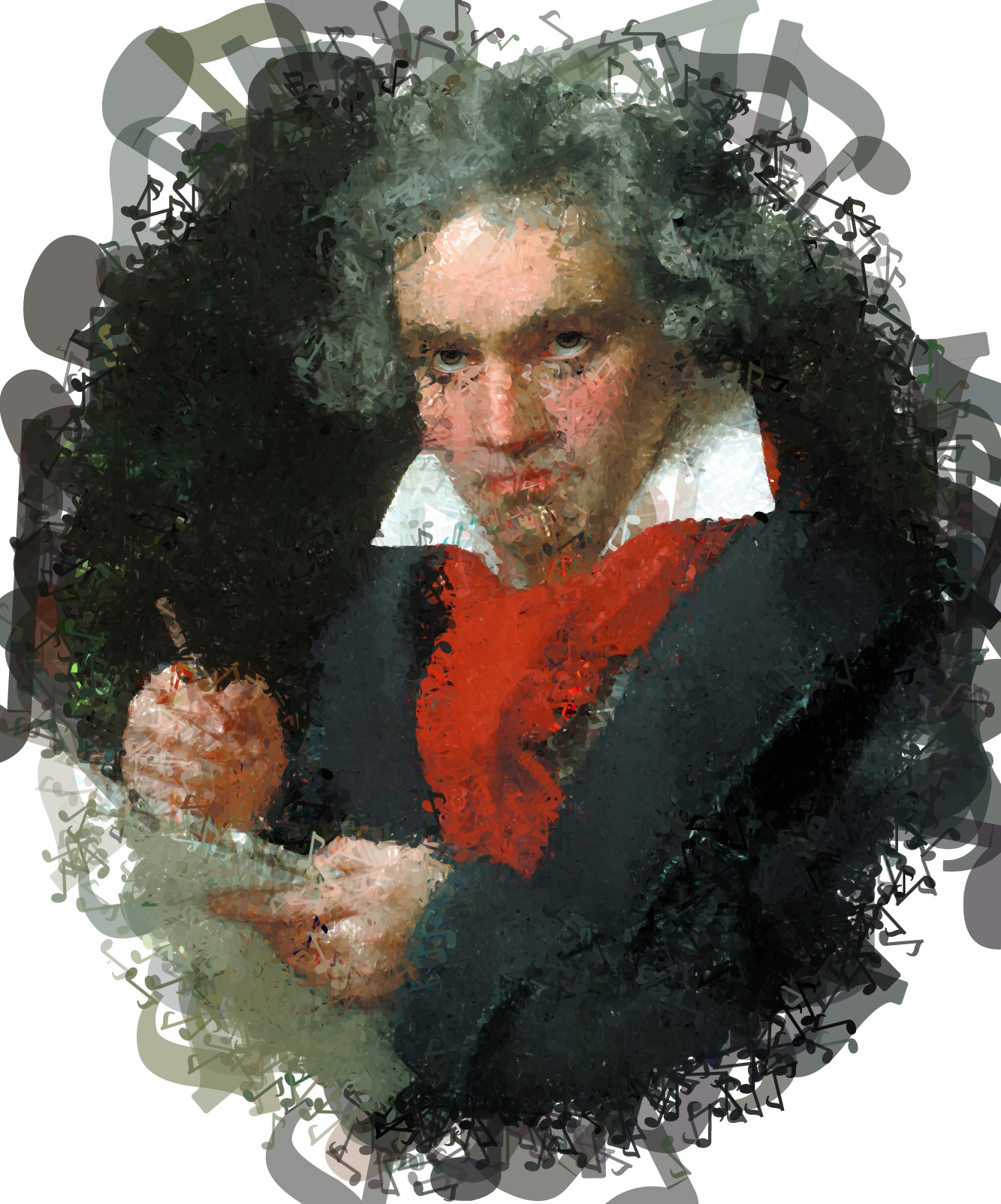

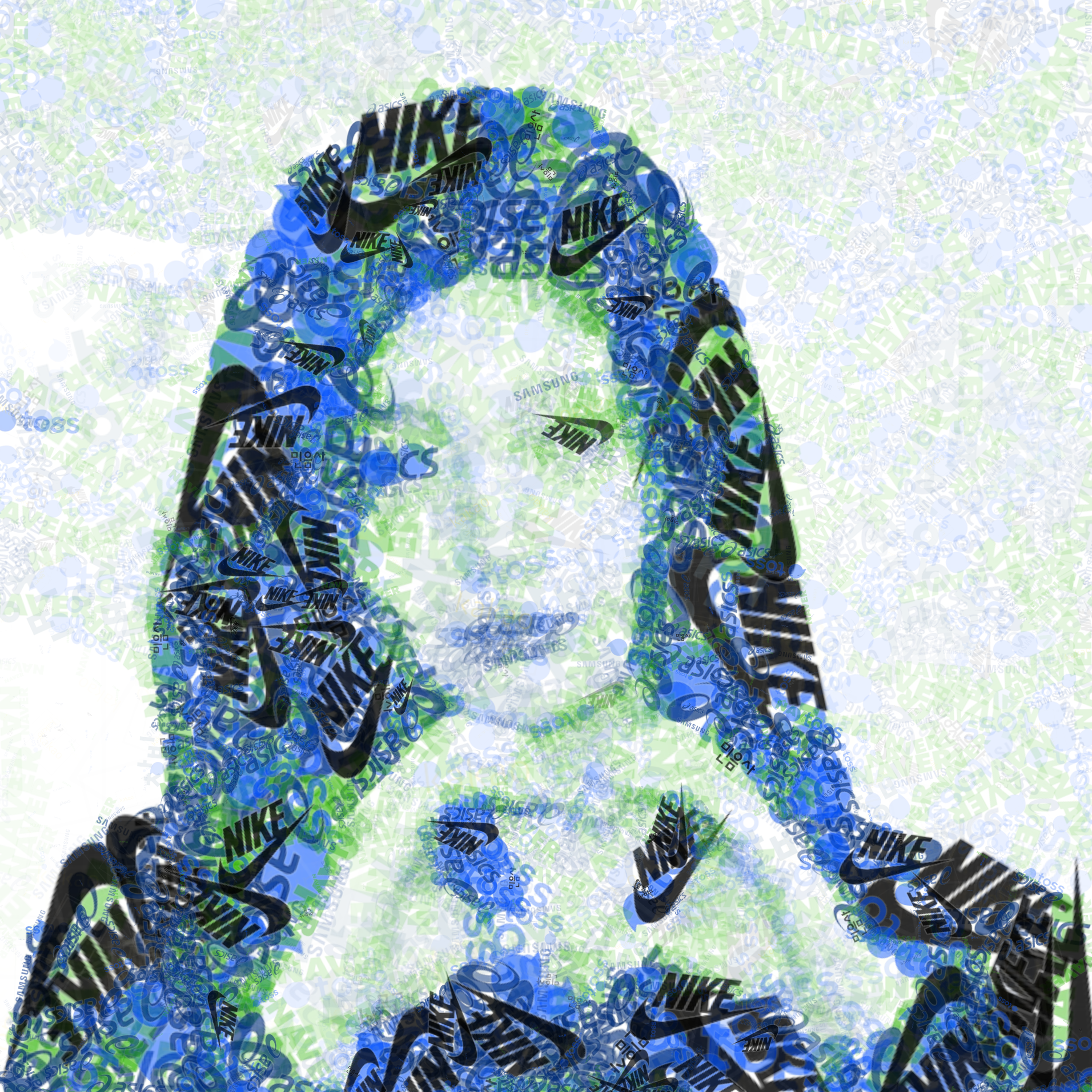








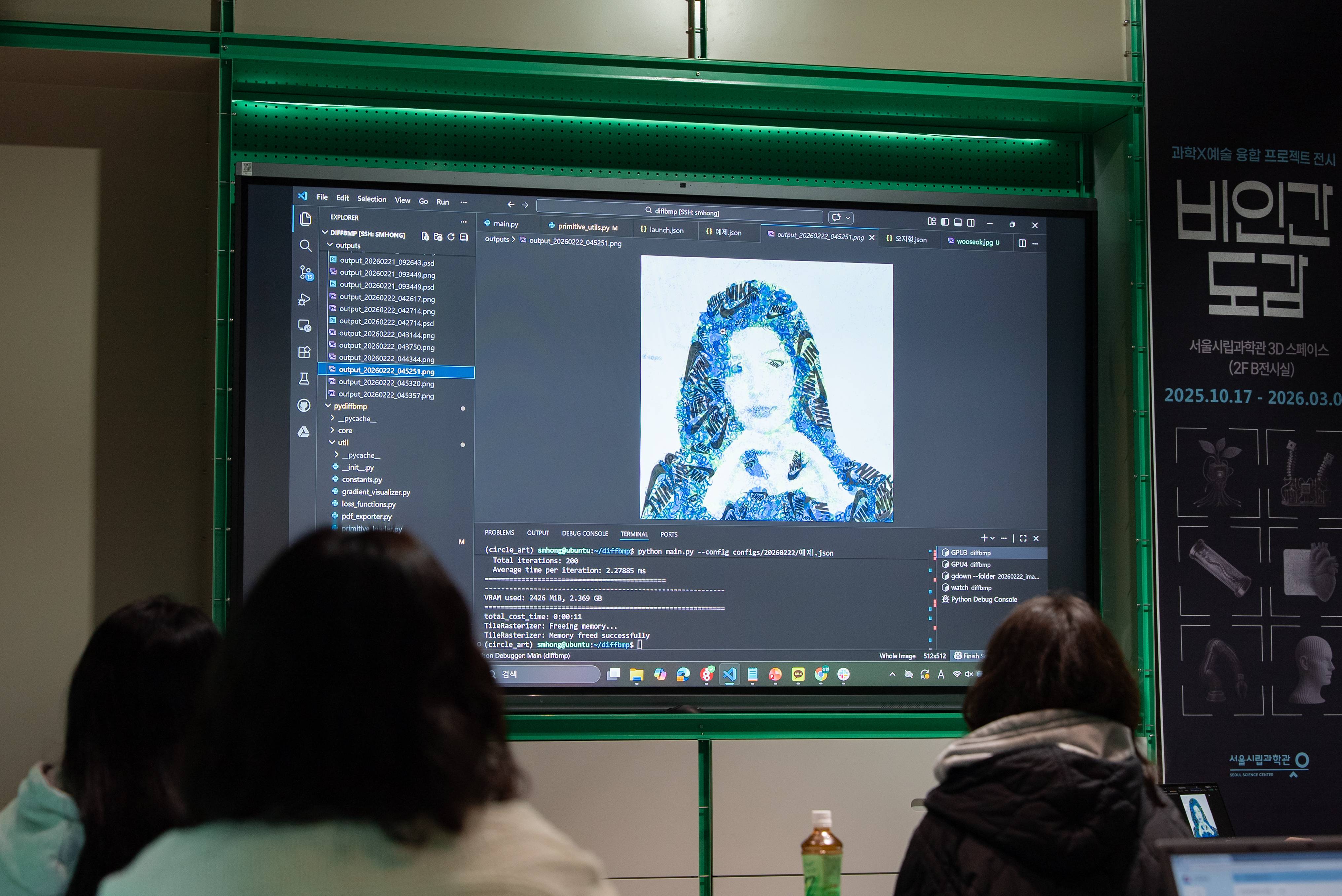
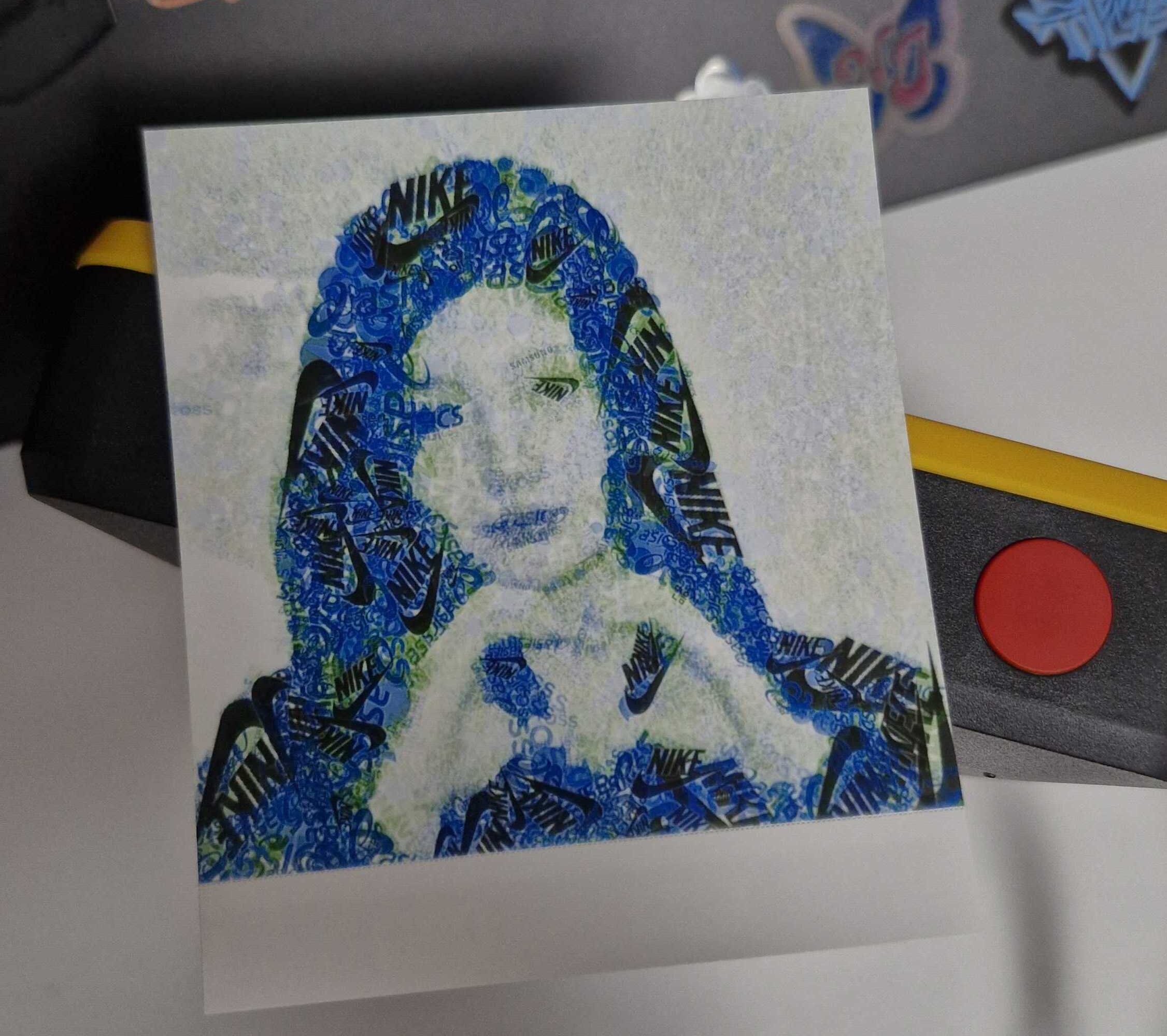
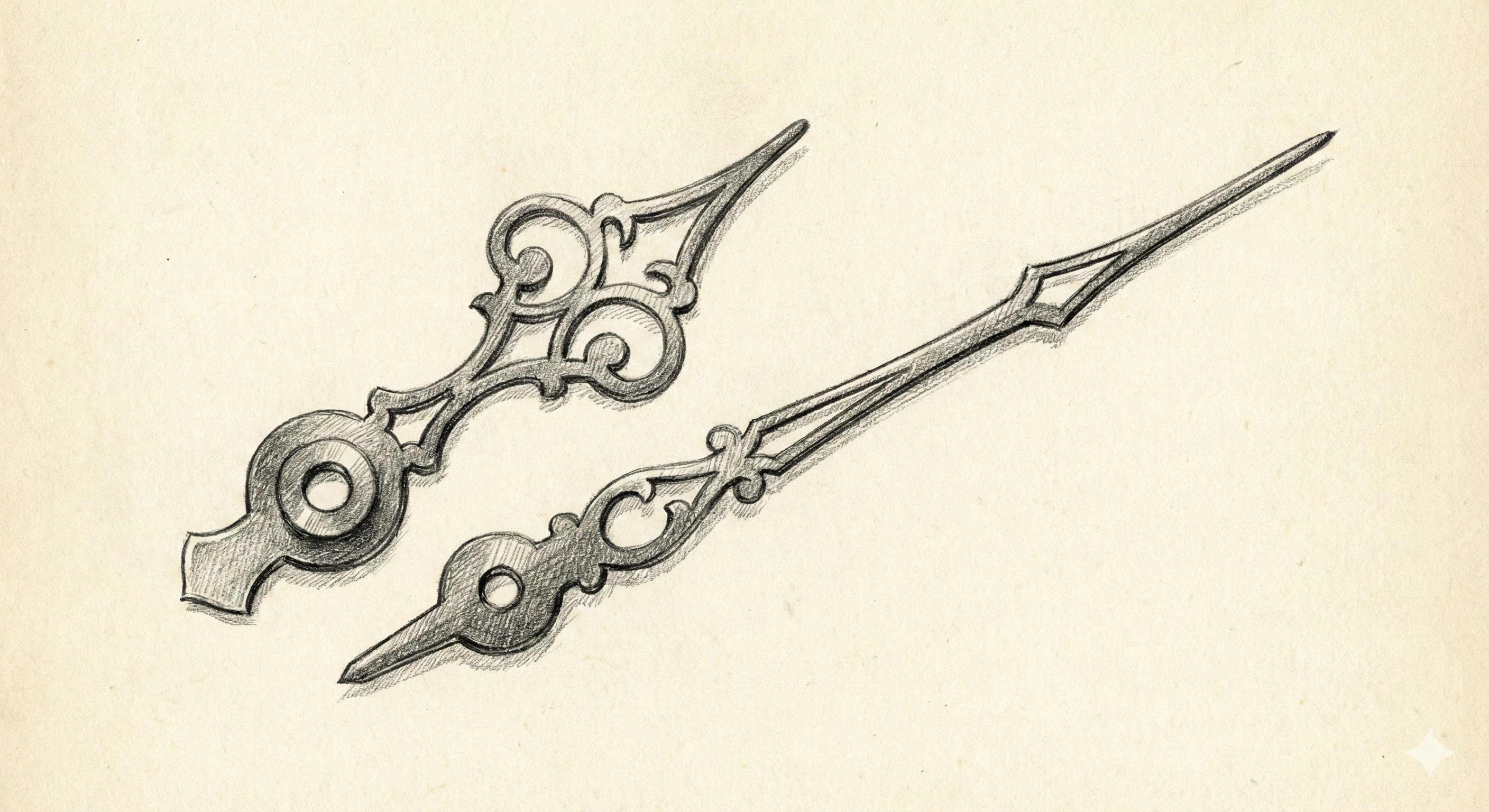
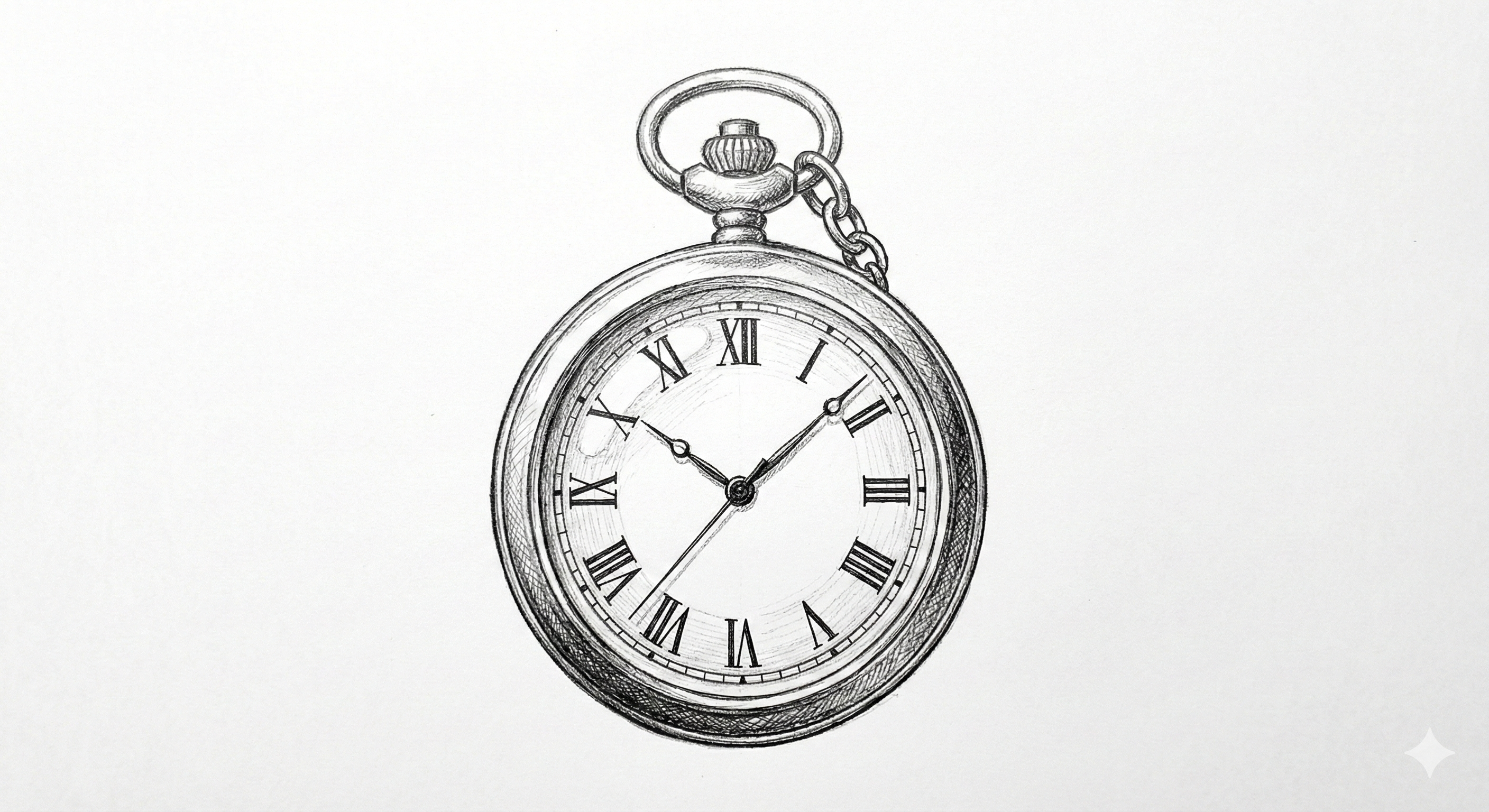
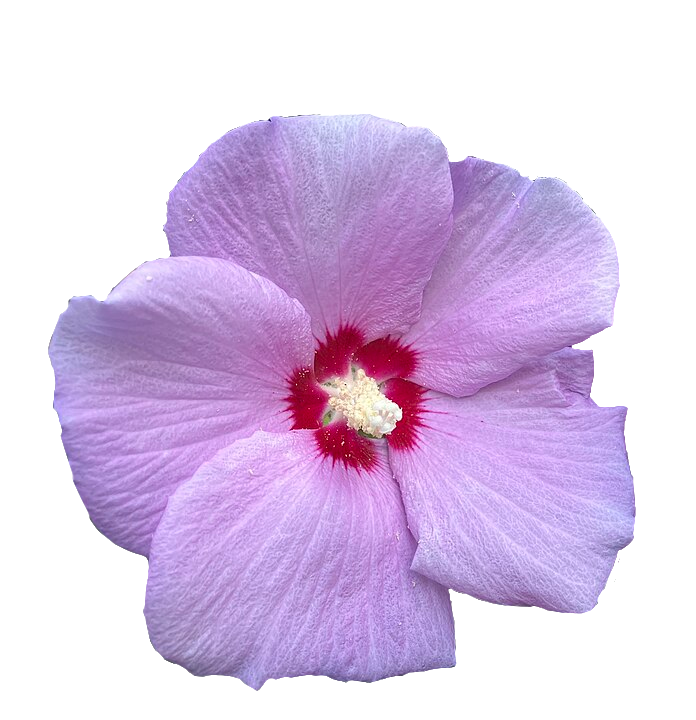
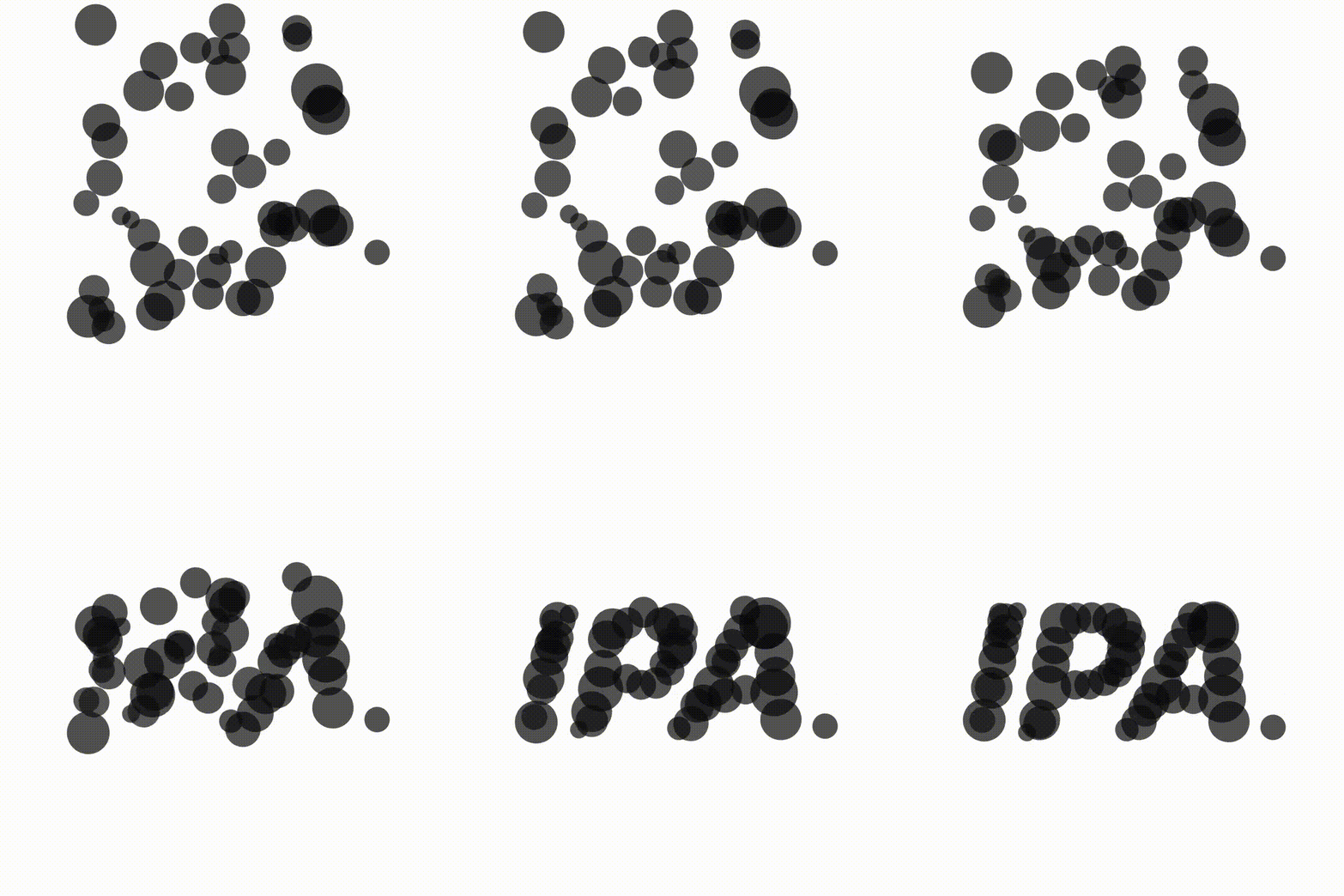
We introduce DiffBMP, a scalable and efficient differentiable rendering engine for a collection of bitmap images. Our work addresses a limitation that traditional differentiable renderers are constrained to vector graphics, given that most images in the world are bitmaps. Our core contribution is a highly parallelized rendering pipeline, featuring a custom CUDA implementation for calculating gradients. This system can, for example, optimize the position, rotation, scale, color, and opacity of thousands of bitmap primitives all in under 1 minute using a consumer GPU. We employ and validate several techniques to facilitate the optimization: soft rasterization via Gaussian blur, structure-aware initialization, noisy canvas, and specialized losses/heuristics for videos or spatially constrained images. We demonstrate DiffBMP is not just an isolated tool, but a practical one designed to integrate into creative workflows. It supports exporting compositions to a native, layered file format, and the entire framework is publicly accessible via an easy-to-hack Python package.
As discussed in the Introduction, many real-world tasks can be formulated as optimization problems, and first-order methods remain a practical standard for large-scale settings. DiffBMP brings that optimization perspective directly into bitmap-based visual composition, making large primitive sets trainable and controllable while preserving flexibility for practical image/video creation pipelines.